AI Nowcasting: How Real-Time Artificial Intelligence Is Transforming Live News and Predictive Intelligence
Discover how AI nowcasting uses real-time data and artificial intelligence to deliver faster insights, predict emerging events, and transform live news and digital intelligence.
The speed of information has become one of the defining features of the digital age. Breaking events can develop within seconds, while audiences expect accurate updates almost immediately. This is where AI nowcasting is emerging as a powerful technology for real-time intelligence, helping organizations analyze live information and identify what may happen next.

What Is AI Nowcasting?
AI nowcasting refers to the use of artificial intelligence, real-time data, machine learning, and advanced analytics to understand rapidly changing situations and produce short-term insights. Unlike traditional forecasting, which often focuses on longer time horizons, nowcasting concentrates on what is happening right now and what could develop in the near future.
For news organizations, this capability can transform how breaking stories are monitored, analyzed, and delivered.

How AI Is Transforming Live News
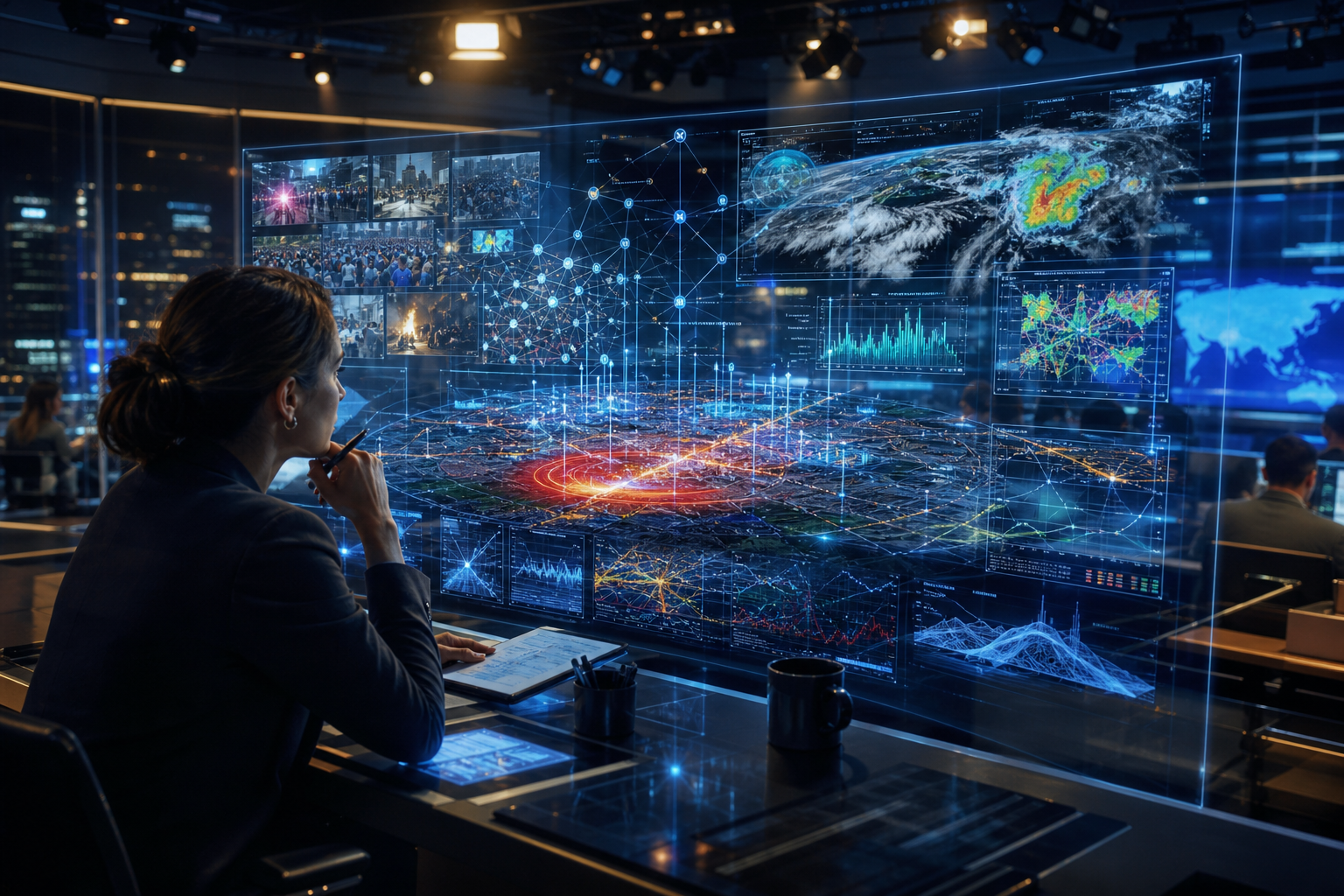
Modern news environments generate enormous amounts of information from social media, public databases, websites, sensors, satellite imagery, financial markets, and other digital sources. Manually processing all these signals can be challenging and time-consuming.
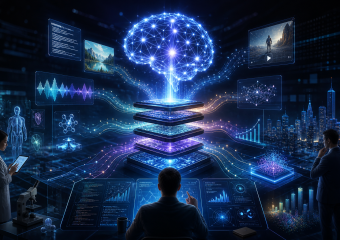
AI systems can analyze large volumes of real-time information, detect patterns, identify emerging topics, and help journalists recognize important developments earlier. Natural language processing can also help categorize reports, identify related events, and summarize large amounts of information for faster editorial review.

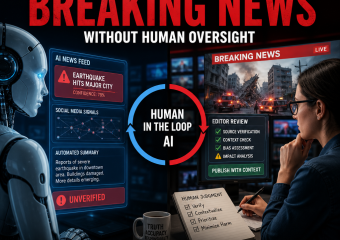
This does not eliminate the role of journalists. Instead, AI nowcasting can support journalists by helping them process information faster while human professionals verify sources, provide context, and make editorial decisions.
From Real-Time Data to Predictive Intelligence
One of the most important opportunities presented by AI nowcasting is the ability to move from simply reporting what is happening to understanding what could happen next.
Machine learning models can examine historical patterns alongside incoming data to identify signals associated with developing events. In areas such as weather, transportation, financial markets, public safety, and global news, these insights can help organizations respond more quickly to changing conditions.
However, AI-generated predictions are not automatically accurate. Data quality, model limitations, bias, and unexpected events can affect results. Human verification and transparent sourcing therefore remain essential.
The Future of AI Nowcasting
As artificial intelligence becomes more capable of processing multimodal and real-time information, AI nowcasting is likely to become increasingly important across digital media and intelligence systems.
For live news platforms, the goal is not simply to be faster. It is to combine speed, accuracy, context, and responsible analysis. AI nowcasting can help create a more responsive information ecosystem where emerging developments are detected earlier and audiences receive useful insights as events unfold.
The future of live news may therefore depend not only on knowing what happened, but also on understanding what is happening now—and identifying the signals that could shape what comes next.