The AI Job Boom: Why 2026 Is a Turning Point for Global Workers
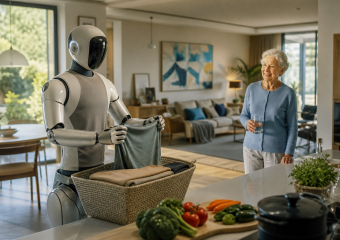
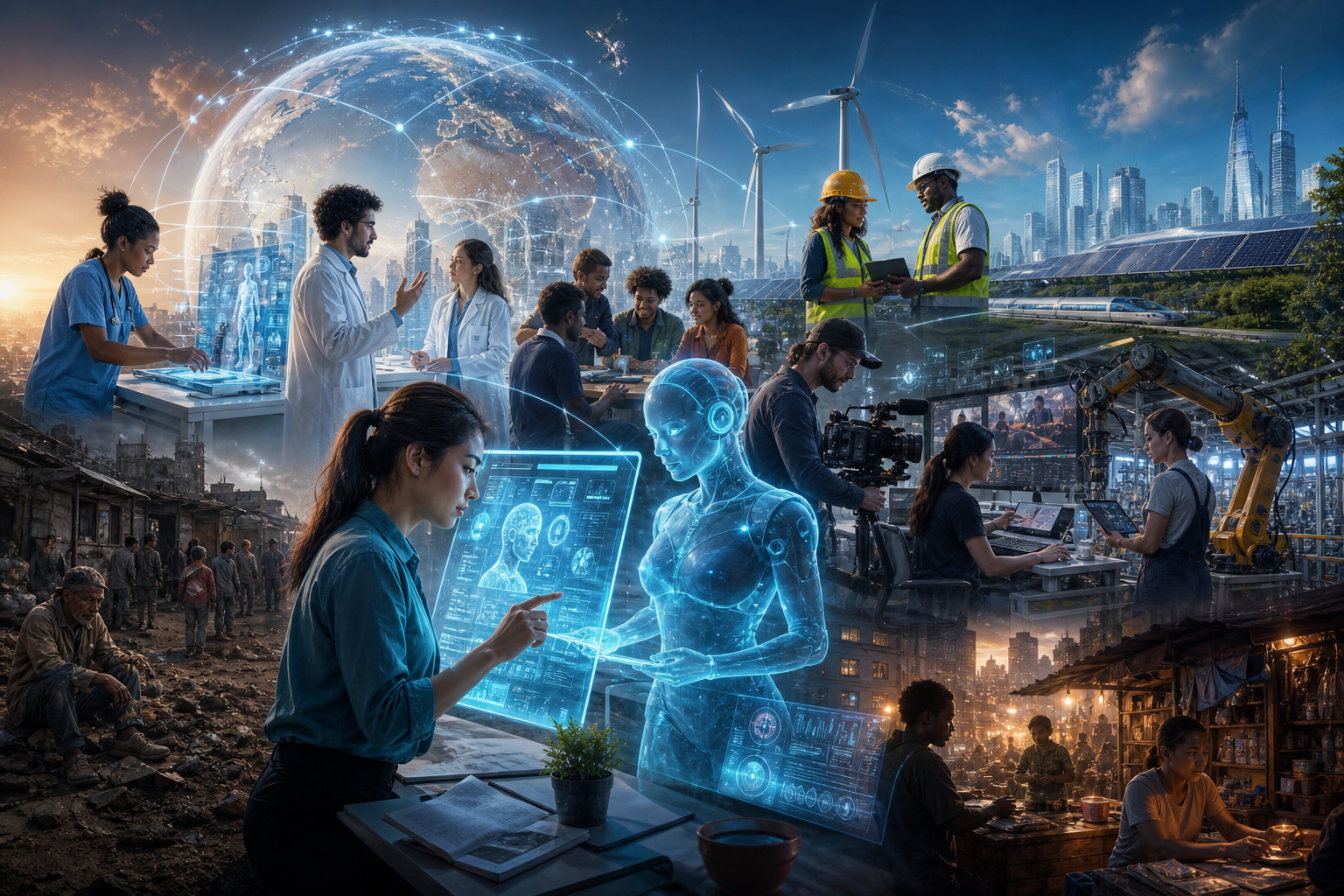
The global economy is undergoing an AI-driven transformation in 2026. While automation has eliminated many routine jobs, demand is growing for specialized roles in healthcare, renewable energy, digital media, and other sectors. Companies investing in employee AI training reportedly achieve higher productivity.
The transition also raises concerns about income inequality and unequal access to its benefits. Policymakers are calling for international cooperation and workforce development to help people adapt to working alongside intelligent systems.

According to a report by Jawadia News, the global economy is experiencing a fundamental shift in 2026, driven by the rapid integration of Artificial Intelligence across all major industries.
New data released this week reveals that while AI has automated millions of routine jobs, it has simultaneously created an unprecedented demand for specialized tech roles. Sectors such as healthcare, renewable energy, and digital media are witnessing a surge in hiring for AI trainers, data ethicists, and human-AI collaboration managers.
“We are not witnessing the end of work, but the rebirth of it,” says a senior economist. “The challenge is no longer about protecting jobs from machines, but about equipping the workforce with the skills to work alongside them.”
Platforms like Snapai.news are at the forefront of covering this transition, providing real-time analysis on how small businesses and startups are adapting. The report highlights that companies investing in AI upskilling programs for their employees are seeing a 40% increase in productivity compared to those who do not.
However, the transition is not without challenges. Income inequality remains a pressing concern, as the benefits of AI adoption are not evenly distributed. Policymakers are now urging for global cooperation to ensure that the AI-driven economic boom leaves no one behind.
As we navigate through 2026, one thing is clear: the future belongs to those who can adapt, learn, and collaborate with intelligent machines.