
How Is the Iran-U.S. Conflict Affecting the Middle East?
The ongoing conflict between Iran and the United States is creating significant challenges across the Middle East, affecting regional security, energy supplies, trade, and daily life.
One of the major concerns is the security of neighboring countries. Fighting and related attacks have affected areas around the Persian Gulf, Iraq, Yemen, Jordan, and other parts of the region. This has increased concerns about the possibility of further regional instability.
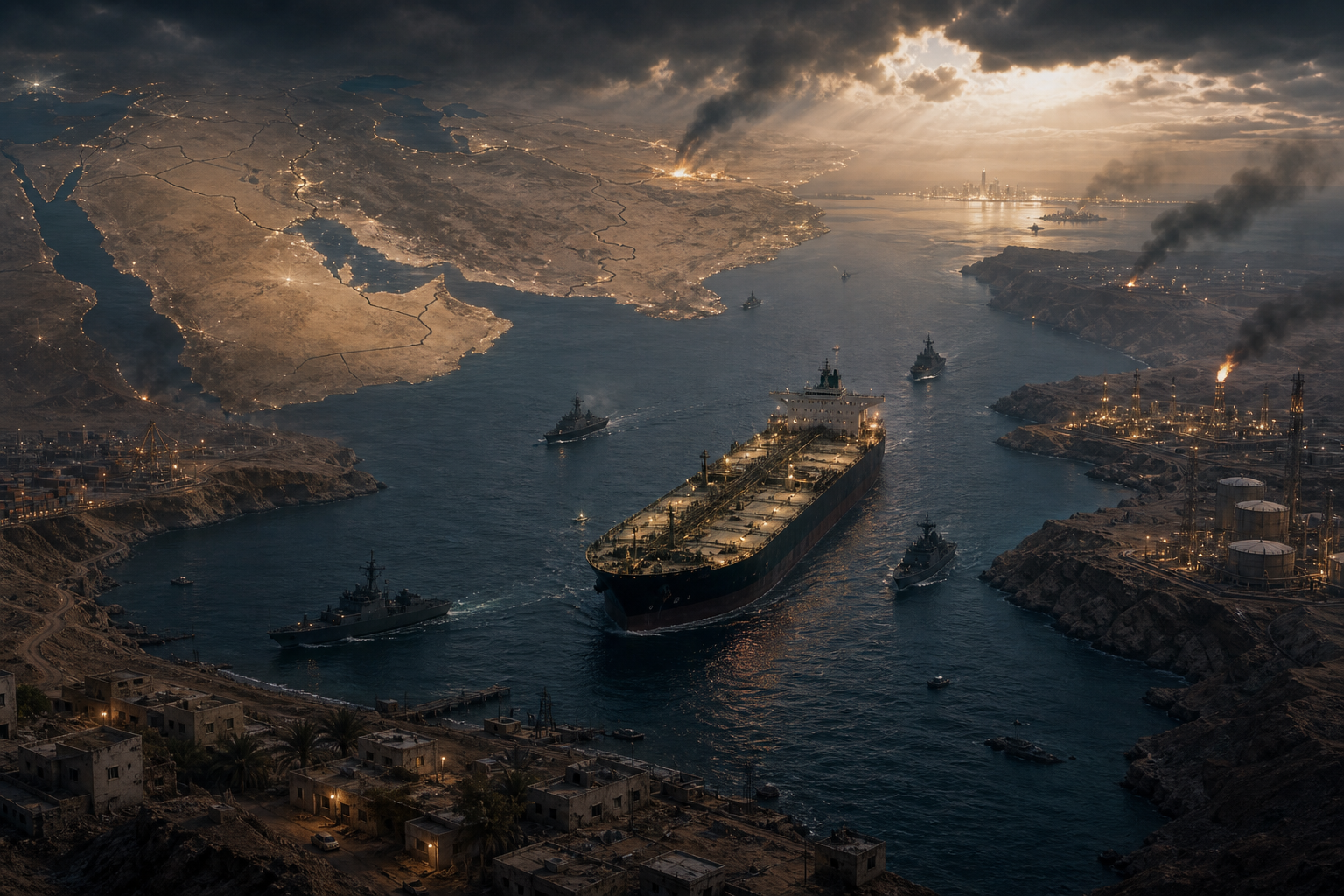
Energy markets have also been affected. The Strait of Hormuz is a major route for global oil and gas shipments, and disruptions in the area have reduced the movement of commercial vessels. Recent attacks and disruptions to energy infrastructure in the Gulf have added pressure to oil markets.

The conflict is also affecting regional economies. Higher energy and transportation costs can increase the price of goods and place additional pressure on businesses and households. Countries that depend heavily on energy exports or international trade face particular challenges when shipping routes become uncertain.
Another concern is the possibility of the conflict spreading to additional countries or involving more armed groups. Recent developments involving Yemen, Saudi Arabia, Iraq, and U.S. military positions show how events involving Iran and the United States can have consequences far beyond their borders.

As the conflict continues, regional governments are facing difficult decisions about security, economic stability, and diplomatic relations. The situation remains uncertain, and its long-term impact on the Middle East will depend heavily on whether further escalation can be avoided and whether diplomatic efforts can produce a lasting agreement.
The ongoing Iran-U.S. conflict is affecting security across the Middle East, with fighting and attacks increasing concerns in and around the Persian Gulf, Iraq, Yemen, Jordan, and other areas. The situation also raises the risk of further regional escalation.
Disruptions near the Strait of Hormuz and attacks on energy infrastructure are affecting oil and gas shipments, while higher energy and transportation costs are pressuring regional economies. Governments face difficult security and diplomatic choices as they seek to prevent further escalation.